Introduction to the Mount Everest Base Camp Trek
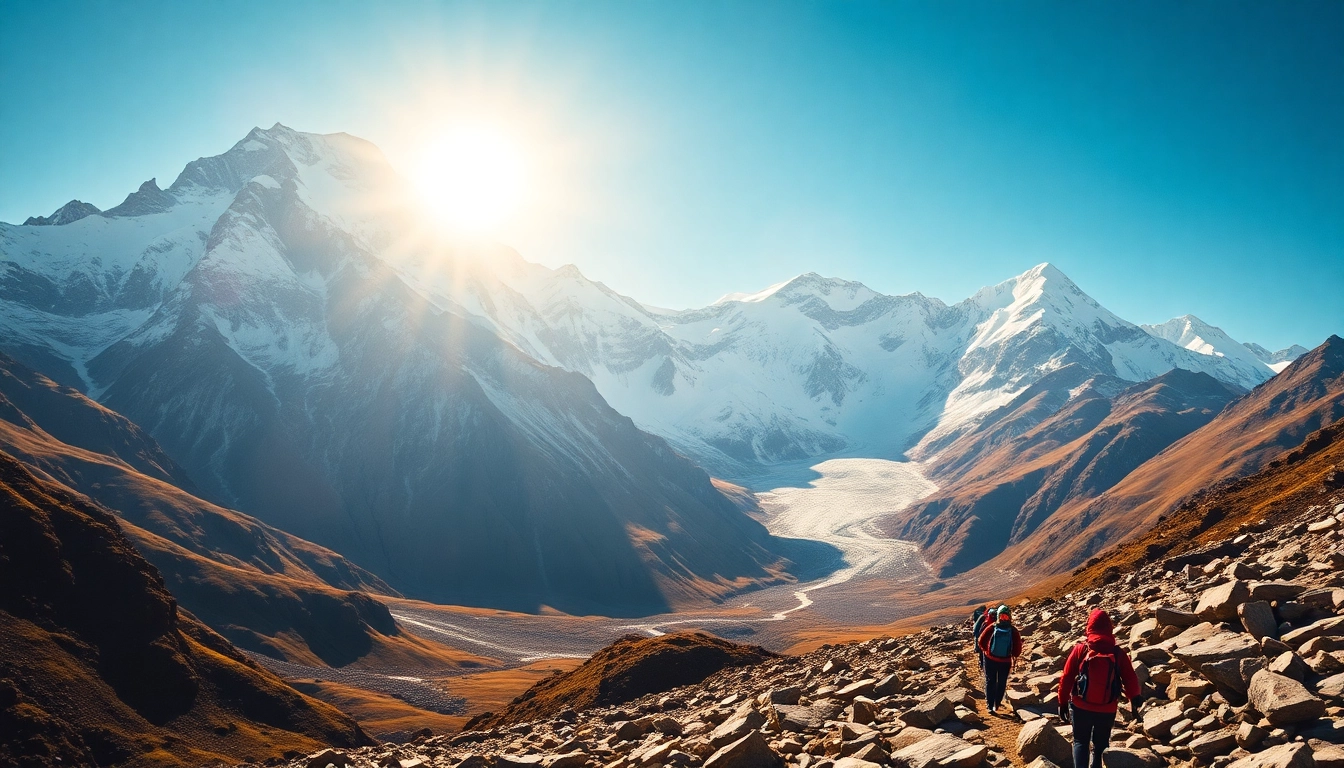
The Mount Everest Base Camp Trek is more than just a hike; it’s a transformative journey that invites adventurers to explore one of the world's most breathtaking landscapes. Nestled in the heart of the Himalayas, this iconic trek offers stunning views of towering peaks, including the majestic Mount Everest, while immersing trekkers in the rich culture of the Sherpa people.
This comprehensive guide will walk you through everything you need to know about embarking on the mount Everest base camp trek, from preparation and itineraries to safety tips and costs. Whether you are a seasoned trekker or a novice seeking new adventures, this guide aims to provide you with the knowledge to ensure a successful and enjoyable experience at this legendary destination.
Preparing for Your Everest Base Camp Adventure
Essential Gear and Equipment for the Trek
- Trekking Boots: Sturdy, waterproof boots with good ankle support are crucial for navigating rocky and uneven terrain.
- Clothing Layers: Dress in layers to adjust to fluctuating temperatures, including thermal layers, an insulating layer, and a waterproof outer layer.
- Backpack: A daypack for carrying daily essentials and a duffel bag for your larger gear, which will be carried by porters.
- Sleeping Bag: A quality sleeping bag rated for cold temperatures is essential for overnight stays in guesthouses.
- First Aid Kit: A basic first-aid kit tailored for high altitude is necessary to manage minor injuries and altitude sickness symptoms.
Physical Fitness and Training Recommendations
Physical preparation is vital for maximizing the enjoyment of your trek. Begin your training at least two months in advance with a focus on cardiovascular fitness and leg strength. Recommended exercises include:
- Hiking with a loaded backpack on varied terrain.
- Cardio workouts such as running, cycling, or swimming.
- Strength training focusing on the legs, core, and upper body.
Aim for 4 to 5 sessions per week, gradually increasing the intensity and duration of your workouts. This will not only enhance your stamina but also help your body acclimatize to the demands of high-altitude trekking.
Acclimatization and Health Considerations
Acclimatization is crucial to prevent altitude sickness, which can affect trekkers at elevations above 3,000 meters. The itinerary includes acclimatization days where you will have the chance to ascend to higher altitudes before descending to sleep. Key practices for safe acclimatization include:
- Ascending slowly to give your body time to adapt.
- Staying hydrated and consuming a balanced diet rich in carbohydrates.
- Monitoring your body for symptoms of altitude sickness, such as headaches, nausea, or dizziness.
Itinerary Breakdown for the Everest Base Camp Trek
Day-by-Day Trekking Plan Overview
The typical itinerary for the Mount Everest Base Camp Trek spans 14 days, allowing for adequate acclimatization and exploration. Here’s an overview of the daily trekking plan:
- Day 1: Arrival in Kathmandu and hotel transfer.
- Day 2: Fly to Lukla and trek to Phakding.
- Day 3: Trek to Namche Bazaar.
- Day 4: Acclimatization day at Namche, hike to Hotel Everest View.
- Day 5: Trek to Tengboche.
- Day 6: Trek to Dingboche.
- Day 7: Acclimatization day, hike to Nangkartsang Peak.
- Day 8: Trek to Lobuche.
- Day 9: Trek to Everest Base Camp and return to Gorak Shep.
- Day 10: Hike to Kala Patthar and descend to Pheriche.
- Day 11: Trek to Namche Bazaar.
- Day 12: Trek to Lukla.
- Day 13: Fly back to Kathmandu.
- Day 14: Departure from Kathmandu.
Key Highlights of Each Day
Each day of the trek offers unique experiences and breathtaking landscapes:
- Day 3's ascent to Namche Bazaar rewards you with stunning views of the Khumbu region.
- On Day 4, acclimatization at Namche allows trekkers to enjoy panoramic vistas of Everest and the surrounding peaks.
- Visiting the Tengboche Monastery on Day 5 enriches your cultural experience.
- Reaching Everest Base Camp on Day 9 is the pinnacle of the trek, giving trekkers a sense of accomplishment.
Accommodation and Meals Along the Route
Accommodation during the trek consists primarily of teahouses, which offer simple and comfortable lodging. Meals are typically Nepali-style, with options for vegetarian and non-vegetarian dishes. Popular meals include:
- Daal Bhat: A traditional rice and lentil dish is a staple on the trek.
- Variety of Soups: Perfect for warming up after a day's hike.
- Vegetarian Options: Widely available and prepared to accommodate trekkers' dietary preferences.
Understanding the Costs Involved in the Trek
Average Cost Breakdown for 2025
The cost to trek to Everest Base Camp varies based on several factors, including the trekking package chosen, additional services, and the number of participants. On average, you can expect prices to range from:
- Standard Packages: Approximately $1,650 per person.
- Luxury Packages: Up to $4,500, offering more comfort and amenities.
Tips for Budgeting and Saving Money
To manage your budget effectively, consider the following tips:
- Book early to secure the best rates.
- Opt for group travel to reduce costs.
- Bring cash to cover daily expenses, as credit cards may not be accepted in remote areas.
What’s Included in Trek Packages
Most trekking packages include essential services such as:
- Accommodation in teahouses and hotels.
- All meals during the trek.
- Permits, guides, and porters.
Frequently Asked Questions About the Trek
Can Beginners Join the Mount Everest Base Camp Trek?
Yes, beginners are welcome on the trek, though they should be in good physical health and follow training recommendations. The trek does not involve technical climbing but does require endurance and proper acclimatization.
How to Deal with Altitude Sickness?
Altitude sickness can affect any trekker. To manage this risk, acclimatization days are built into the itinerary, allowing the body to adjust to higher altitudes gradually. Stay hydrated, monitor your health, and communicate any symptoms to your guide.
What is the Best Time to Trek to Everest Base Camp?
The best seasons for trekking to Everest Base Camp are during spring (March to June) and autumn (September to November) when the weather is mild and views are clear. Winter can be harsh, although it offers solitude, while the monsoon season is generally avoided due to heavy rains.