The Importance of a Phone Gimbal for Mobile Videography
In today's digital age, where content is king, the need for high-quality video has surged dramatically. Whether you're a budding filmmaker, a travel vlogger, or simply someone who enjoys capturing life's moments, a phone gimbal can significantly elevate your production value. These handheld stabilizers are designed to eliminate unwanted shakes and jitters, providing a smooth, professional finish to your videos. As video content continues to dominate platforms like YouTube, Instagram, and TikTok, mastering mobile videography with the right equipment has never been more essential.
Understanding Phone Gimbal Technology
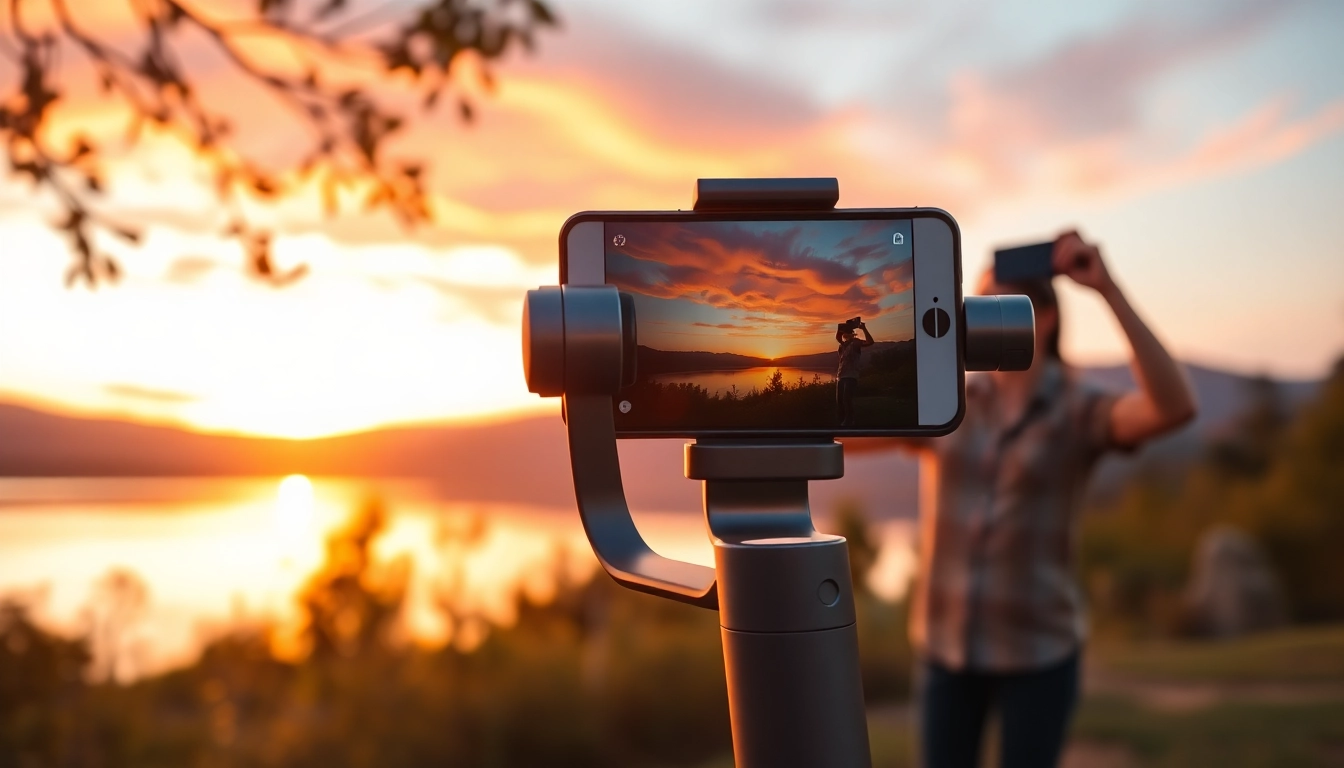
A phone gimbal is a sophisticated tool that utilizes a system of motors and sensors to stabilize your smartphone. By counteracting motion along three axes—pitch, roll, and yaw—these devices ensure that the footage remains steady even during movement. This technology stands in stark contrast to traditional tripods or handheld shooting methods, which often result in shaky footage that can detract from the viewer's experience.
The core technology behind gimbals often includes brushless motors that detect and correct movement in real-time. This capability allows videographers to move freely while still maintaining a professional level of stability in their shots. With advancements in software integration, many modern gimbals also offer features such as auto-tracking, which can follow a subject automatically, making them even more versatile.
Key Benefits of Using a Gimbal in Filmmaking
- Enhanced Stability: The primary function of a gimbal is to stabilize your shots, which is crucial for professional-looking videos. This stability helps in producing smooth pans, tilts, and tracking shots.
- Improved Flexibility: With a gimbal, you can shoot from various angles, including low or high shots, without worrying about stability. This flexibility is valuable during dynamic shoots, such as action sequences or moving subjects.
- Creative Control: Many gimbals come equipped with various shooting modes, such as pan follow or lock mode, giving you creative options to experiment with cinematic effects and unique shots.
- Portability: Most modern gimbals are lightweight and compact, designed for easy transport. This portability is perfect for travelers who need to pack light without sacrificing video quality.
Common Misconceptions About Gimbals
Despite their growing popularity, several misconceptions about gimbals can deter potential users from exploring their capabilities. One common belief is that gimbals are only necessary for professional filmmakers. In reality, anyone looking to improve their video quality can benefit from using a gimbal. Another misconception is that gimbals are difficult to operate. While there is a learning curve, many modern gimbals feature user-friendly interfaces and smartphone apps that simplify setup and operation, making them accessible even for beginners.
Choosing the Right Phone Gimbal for Your Needs
With a plethora of options available on the market, selecting the right phone gimbal can feel overwhelming. However, understanding your specific needs can help streamline the decision-making process.
Factors to Consider When Selecting a Gimbal
- Weight Capacity: Ensure that the gimbal can support the weight of your smartphone, especially if you use additional accessories like lenses or microphones.
- Battery Life: Look for gimbals with extended battery life, particularly for long shooting sessions or when traveling.
- Features: Consider what features are essential for your shooting style. Do you need tracking capabilities, or is it more important to have various shooting modes?
- Budget: Gimbals vary widely in price, so set a budget that you are comfortable with while also considering the value you get for that investment.
Top Brands to Watch in 2025
As of 2025, several brands are leading the charge in gimbal technology, each offering unique features and benefits:
- DJI: Known for their innovation, DJI gimbals are often regarded as the industry standard, providing exceptional stabilization and advanced features.
- Hohem: This brand offers budget-friendly options without compromising on quality, making them accessible to a wide range of users.
- Insta360: With a focus on immersive video and AI features, Insta360 stands out for users looking to create dynamic and engaging content.
Comparing Features: DJI vs Hohem vs Insta360
When comparing these brands, consider the following key features:
- DJI: Gimbals like the DJI OM5 offer robust app integration, excellent battery life, and advanced tracking features.
- Hohem: Models such as the iSteady M7 provide great value with intuitive controls and a solid build, catering to both casual users and pros.
- Insta360: Their gimbals are designed with cutting-edge technology, focusing on seamless integration with 360-degree filming to create engaging and unique content.
Best Practices for Using a Phone Gimbal
Mastering your gimbal's functionality will significantly enhance your videography skills. Here are some best practices to consider:
Setting Up Your Gimbal for Optimal Performance
Begin by balancing your smartphone correctly on the gimbal. Proper balance not only ensures smoother footage but also reduces the strain on the motors, ultimately prolonging the device's lifespan. Follow the manufacturer's guidelines for attaching your phone, making adjustments as needed to achieve balance across all axes.
Techniques for Smooth Shots and Cinematic Effects
- Practice Pans and Tilts: Slow and steady movements are key to achieving a cinematic look. Avoid quick jerky motions; instead, practice smooth transitions to create dynamic shots.
- Utilize Different Modes: Experiment with various gimbal functions, such as follow mode and FPV mode, to discover what works best for your creative vision.
- Plan Your Shots: Previsualizing your shots can significantly enhance the shooting process. Know where to move when transitioning between shots to capture the flow of the scene.
Avoiding Common Mistakes in Gimbal Use
Even experienced users can make mistakes. Here are some to watch out for:
- Ignoring battery life: Always charge your gimbal before significant shoots to avoid interruptions.
- Neglecting maintenance: Regularly check the gimbal for dust or dirt, and clean it as necessary to ensure optimal performance.
- Skipping practice: It’s essential to familiarize yourself with the gimbal's functions before filming. Practice with the gimbal to understand its capabilities and limitations.
Real-World Applications of Phone Gimbals
Phone gimbals are not just devices for capturing steady shots; they can be game-changers in various scenarios that require high-quality video. Here are some real-world applications:
Case Studies: Successful Video Projects
Numerous filmmakers and content creators have harnessed the power of gimbals to create visually stunning videos. For instance, travel vloggers often rely on gimbals to capture breathtaking landscapes and cinematic travel experiences. One notable project featured a travel influencer using a gimbal to create seamless transitions between scenes, resulting in an engaging story that captivated viewers.
Gimbals in Travel Vlogging: Enhancing Adventure Stories
For travel vloggers, stability is crucial. A gimbal allows for immersive storytelling, enabling creators to showcase their adventures while moving through diverse terrains. As they navigate bustling markets, scenic hikes, or fast-paced city streets, the gimbal ensures that their footage remains smooth, bringing viewers along for the journey.
Live Streaming with a Mobile Gimbal: Tips and Tricks
Live streaming has become increasingly popular, and a gimbal can elevate your live broadcasts dramatically. By providing stability, gimbals reduce distractions, allowing your audience to focus on the content. When streaming, consider using a follow mode to keep yourself in frame as you move, and always ensure your gimbal's battery is fully charged to avoid interruptions during your live session.
Future Trends in Phone Gimbal Technology
As technology continues to evolve, so too will the capabilities of phone gimbals. Here's what to watch for in the coming years:
Emerging Features to Look for in 2025
In 2025, users can expect enhanced features such as:
- AI Integration: Artificial intelligence will play a larger role in gimbal technology, enabling smarter tracking and more automated features to enhance user experiences.
- Improved Battery Technology: Expect to see gimbals equipped with longer-lasting batteries and quicker charging systems, allowing for extended shooting sessions.
- Modular Designs: Future gimbals may offer customizable components, letting users add accessories such as additional lights, microphones, or lenses, further enhancing their videography potential.
The Role of AI in Gimbal Stabilization
Artificial intelligence will transform how gimbals manage stabilization, potentially allowing for predictive adjustments based on movement patterns. This capability could provide smoother footage, especially during fast-paced action shots, by anticipating the user's movements and applying counter-stabilization adjustments accordingly.
Predictions for Mobile Videography in the Next Five Years
The landscape of mobile videography is expected to experience significant changes in the next five years. With the rise of social media and content consumption, the demand for high-quality, engaging videos will drive innovations in both smartphone and gimbal technology. As more creators enter the space, the accessibility of tools and educational resources will empower anyone to produce cinematic-quality videos, leveling the playing field for all storytellers.