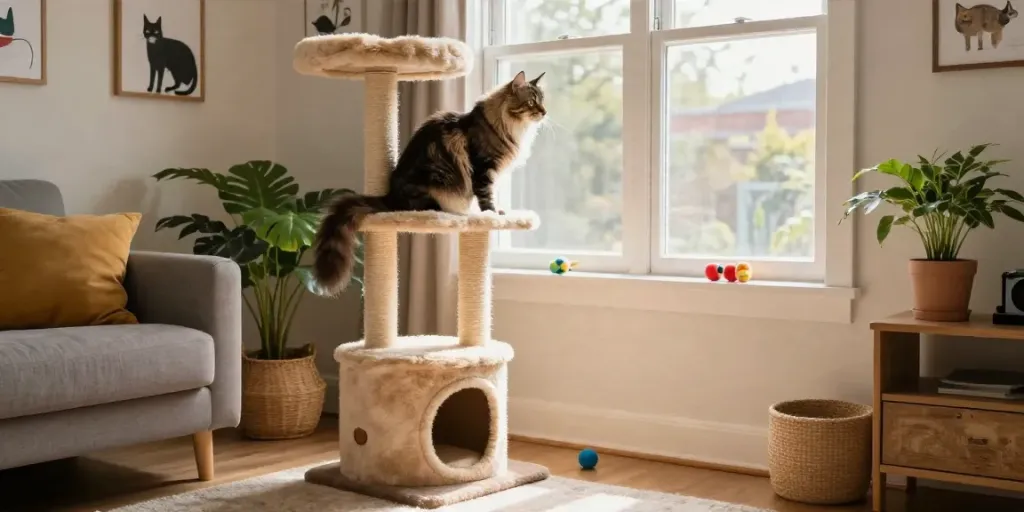
Understanding the Importance of a Cat Tower
For every feline enthusiast, a cat tower is not just a luxury item; it is an essential part of your cat's environment. These multi-level structures provide a variety of benefits that go beyond mere entertainment. When exploring options, cat tower choices can offer your pet a safe space to play, scratch, and relax. Understanding the significance of a cat tower and its role in your cat’s health and happiness can greatly influence your purchasing decision.
Why Every Cat Needs a Tower
Cats are natural climbers and explorers, and a cat tower simulates their instinctual behaviors. By providing vertical space, you allow your cat to exercise their climbing abilities, which is crucial for both physical and mental stimulation. Additionally, cat towers can help reduce anxiety by giving your pet a safe haven where they can retreat and observe their surroundings from a height, which is part of their natural behavior.
Health Benefits for Your Feline
Investing in a cat tower can lead to several health benefits for your feline friend:
- Physical Exercise: Climbing and playing on the tower helps maintain a healthy weight and muscle tone.
- Mental Stimulation: Engaging with various platforms, scratching posts, and toys reduces boredom, which can lead to destructive behaviors.
- Stress Relief: Giving your cat a vertical space helps minimize territorial disputes among multiple pets.
Choosing the Right Size for Your Cat
The right size of a cat tower depends on your cat’s breed, age, and activity level. Kittens may require smaller towers with more accessible levels, while larger breeds might need more robust structures that can handle their weight. Always consider the dimensions of the tower in relation to your living space as well as the available vertical space in your home.
Features to Look for in a Cat Tower
When selecting a cat tower, certain features can enhance your cat's experience and ensure durability.
Materials and Durability Considerations
High-quality materials play a crucial role in the longevity of cat towers. Look for structures made from solid wood or sturdy engineered materials, as they offer greater stability compared to flimsy alternatives. Additionally, choose towers covered with durable fabrics and sisal rope to withstand scratching.
Designs that Cater to Your Cat's Needs
Not all cats are the same, and their preferences might vary. Some cats enjoy enclosed spaces, while others prefer open perches. Look for towers that include a mix of both to cater to different personalities:
- Condo-style enclosures for shy cats.
- Open platforms for social climbers who want to survey their kingdom.
- Hammocks for those that enjoy lounging and resting.
Safety Features to Keep in Mind
Safety should always come first. Ensure the tower has a sturdy base to prevent tipping. Check for rounded edges and secure attachments for hanging toys. Also, consider towers with anti-tip features or wall anchoring options for added stability, especially for taller structures.
Top Trends in Cat Towers for 2026
The world of cat furniture is constantly evolving, and staying updated with trends can help you choose the best options for your pet.
Innovative Designs and Technology
In 2026, we see a rise in innovative designs that blend functionality with aesthetics. Many companies are now incorporating smart technology that can interact with your cat, such as automated toys or climbing detection systems to monitor your cat's activity levels.
Eco-Friendly Options
With growing awareness about sustainability, many manufacturers are focusing on eco-friendly materials. Cat towers made from reclaimed wood and non-toxic fabrics are becoming popular, enabling pet owners to choose products that are both stylish and environmentally responsible.
Personalization and Customization Trends
Customization is another key trend. Many companies now allow pet owners to personalize towers with their cat's name or select features to fit their home decor. This trend caters not only to the functionality of the tower but also to personal expression.
How to Integrate a Cat Tower into Your Home
Integrating a cat tower into your home decor can be a seamless process with a few thoughtful strategies.
Best Placement Strategies
Consider placing the tower near a window or in a sunny spot where your cat can watch the world. This will encourage them to use the tower more often. Additionally, ensure that it is positioned in an area where your cat feels safe and secure.
Creating a Cat-Friendly Environment
A cat-friendly environment goes beyond just having a cat tower. Utilize cat trees, scratching pads, and other accessories in a layout that encourages exploration. Include toys and climbing surfaces around the tower to create a dynamic play area.
Interactive Play Areas Around the Tower
Enhance your cat's engagement by creating an interactive zone around the tower. Use dangling toys or laser pointers to attract them to higher platforms. Rotating toys regularly can keep their interest piqued and encourage exercise.
FAQs About Cat Towers
What is the best material for a cat tower?
The best materials for a cat tower are solid wood or high-density particleboard, with surfaces covered in durable fabric or sisal for scratching. These materials ensure stability and longevity.
How do I choose the right height for my cat tower?
Select a height that allows your cat to explore comfortably without feeling overwhelmed. Taller structures are great for active breeds, while shorter towers are suitable for older or mobility-restricted cats.
Can cat towers help reduce destructive behavior?
Yes, cat towers can significantly reduce destructive behaviors. By providing a designated scratching area and engaging vertical spaces, your cat’s instincts are satisfied, leading to less destructive behavior around your home.
How often should I clean my cat tower?
It is advisable to clean your cat tower weekly to prevent the buildup of fur, dirt, and bacteria. Regular vacuuming and spot cleaning will keep it fresh and hygienic.
Are there cat towers specifically for large cats?
Yes, there are cat towers designed specifically for larger breeds. These structures typically feature reinforced bases and wider platforms to accommodate their size and weight comfortably.