







Understanding Fireworks UK: A Cultural Perspective
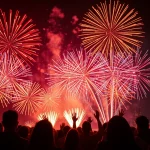
Fireworks have become a cherished aspect of British culture, gracing the skies during celebrations, festivals, and commemorative events. From traditional Guy Fawkes Night displays to New Year’s Eve festivities, the fireworks uk scene encapsulates both history and jubilation. This article delves into the historical backdrop, significance, types, and the cultural fabric that binds fireworks to British festivities.
History of Fireworks in the UK
The history of fireworks in the UK is vibrant and storied. The origins trace back to the 13th century when the Chinese developed gunpowder. However, it wasn’t until the 16th century that they made their way to England. Initially, fireworks were used for military purposes and to celebrate royal events. By the 17th century, they gained popularity during public celebrations, epitomized by the infamous Gunpowder Plot of 1605, which commemorated the failure of Guy Fawkes’ attempt to blow up the Houses of Parliament.
Significance of Fireworks in Celebrations
Fireworks symbolize joy, celebration, and community. They are an integral part of various events, including national holidays, weddings, and anniversaries. The iconic display during New Year’s Eve not only marks the end of one year and the beginning of another but also fosters a sense of unity among attendees, building excitement and nostalgia as people share the experience.
Types of Fireworks Used in Events
In the UK, several types of fireworks are popular during events. These include:
- Roman Candles: Firework tubes that shoot colorful stars into the air.
- Fountains: Ground-based fireworks that spray sparks in various colors steadily.
- Display Shells: Larger fireworks often used in significant displays that explode at altitude.
- Novelties: Smaller fireworks like sparklers and snappers, popular for personal use.
- Rockets: Fireworks that launch vertically and produce a visual spectacle when they explode at height.
Planning Your Fireworks Display in the UK
Planning a fireworks display requires thorough preparation, ensuring safety, compliance, and a visually stunning show. Here’s how to navigate the planning process effectively.
Choosing the Right Venue for Fireworks
Selecting an appropriate venue is crucial for any fireworks display. Factors to consider include space, visibility, and proximity to residential areas. Parks, open fields, or waterfront locations are often ideal as they provide unobstructed views and ample room for safety zones. Additionally, consider access to amenities and transportation options for attendees.
Permits and Legal Considerations
In the UK, displaying fireworks legally necessitates adherence to local regulations. Most councils require permission, especially for larger displays. Obtaining the correct permits not only ensures legality but also secures public safety measures. Consult with local authorities regarding guidelines, which may include fire and environmental safety assessments.
Best Times of Year for Fireworks Shows
While fireworks can be used throughout the year, specific occasions lead to heightened interest. Key dates include:
- Bonfire Night (Guy Fawkes Night): 5th November, celebrated nationally.
- New Year’s Eve: A global celebration ringing in the new year.
- Weddings: Couples often incorporate fireworks as a grand finale to their special day.
- Festivals: Various local and national celebrations frequently feature fireworks displays.
Safety Measures for Fireworks UK Events
Safety is paramount when planning fireworks displays. Implementing robust guidelines helps protect attendees and enhances overall enjoyment.
Fireworks Safety Guidelines
Complying with safety standards is critical for any fireworks event. Recommended practices include:
- Establishing a safety perimeter to keep the public at a safe distance.
- Appointing trained personnel to handle and launch fireworks.
- Conducting risk assessments prior to the show to identify potential hazards.
- Having fire extinguishing equipment readily available on-site.
Preparing Attendees for Safety
Informing attendees about safety procedures enhances their experience. Consider the following:
- Providing clear signage indicating the event layout, safety zones, and emergency exits.
- Offering pre-event briefings highlighting safety guidelines and expected behavior.
- Encouraging spectators to stay behind safety barriers and follow instructions from event staff.
Emergency Procedures for Fireworks Shows
No matter how well-planned an event is, emergencies can occur. Establishing a clear emergency response plan can mitigate risks. This should include:
- Designated emergency personnel trained in first aid and handling fire-related incidents.
- A communication system to alert staff and emergency services efficiently.
- Well-marked paths for emergency evacuations, ensuring quick access to exits.
Enhancing Your Fireworks Experience
Creating a memorable fireworks experience can be achieved by integrating additional elements into the display, captivating the audience beyond just visuals.
Combining Music with Fireworks
Setting fireworks to music enhances their emotional impact. Synchronizing fireworks with a musical score can create a cohesive, powerful experience that resonates with audiences. Planning for this requires practicing the timing of fireworks launches to ensure that bursts correspond with musical crescendos.
Live Entertainment and Fireworks
Incorporating live performances, such as musicians or dancers, creates a festive atmosphere. These performances can serve as engaging interludes between fireworks or complement the displays, all while building anticipation for the main event. Engaging acts can draw larger audiences and enhance the overall enjoyment of the display.
Food and Beverage Options for Events
Food and drink are essential components of a successful fireworks display. Offering a variety of options keeps guests satisfied and encourages them to stay longer. Local vendors or food trucks can provide diverse choices, from traditional fare to gourmet selections, creating a festive marketplace atmosphere that enhances the communal experience.
Frequently Asked Questions about Fireworks UK
What types of fireworks are allowed in the UK?
The UK allows various fireworks, including category 1 (indoor), category 2 (outdoor), and category 3 (professional), but restrictions apply. Always check local regulations for specifics.
How can I safely enjoy fireworks displays?
Stay behind designated safety zones, follow all guidelines provided by event staff, and ensure children and pets are supervised throughout the display.
When is the best time to host a fireworks show?
The best times coincide with public holidays and celebrations, particularly Bonfire Night, New Year’s Eve, and local festivals when public interest is high.
Do I need a special permit for fireworks?
Yes, if you plan to host a public display, you generally need a permit from your local council. Check with authorities to understand what’s required.
What are some popular firework events in the UK?
Popular events include the Lord Mayor’s Fireworks in London, the Edinburgh’s Hogmanay, and local Bonfire Night displays. Each offers a unique experience and attracts large crowds.