








Understanding Spray Foam Removal for Mortgage
When dealing with property transactions, a multitude of details can influence the mortgage approval process. One often overlooked aspect is the presence of spray foam insulation in a home. While spray foam is lauded for its energy efficiency and insulation properties, its removal can be necessary under certain conditions. This article delves into the importance of spray foam removal for mortgage considerations, providing a comprehensive guide on why and how to remove it, associated costs, and communication strategies with lenders.
What is Spray Foam and Why Remove It?
Spray foam insulation is a popular material used to insulate homes due to its superior sealing abilities and energy-saving benefits. It is applied as a liquid that expands into a solid foam, filling cracks and gaps to create an airtight barrier. However, its removal may be warranted due to various factors, especially when preparing a home for sale or refinancing.
Common Reasons for Spray Foam Removal
- Health Concerns: Over time, improperly cured spray foam can emit harmful chemicals, posing health risks to inhabitants.
- Property Damage: Water damage can lead to mold growth, making the insulation ineffective and necessitating removal.
- Code Compliance: Certain building codes may require traditional insulation alternatives, especially if the foam doesn’t meet current standards.
- Poor Installation: Poorly applied spray foam can lead to air leaks, moisture problems, and diminished overall insulation performance.
- Upgrades: Homeowners may prefer another form of insulation that better meets their current needs.
The Impact on Mortgage Approval
Mortgage lenders typically perform thorough evaluations before granting loans. If a home is found to contain problematic spray foam insulation, this may present significant hurdles during the mortgage approval process. Poor insulation can lower a property’s appraised value or raise red flags regarding safety and compliance, both of which can jeopardize mortgage funding.
Techniques for Effective Spray Foam Removal
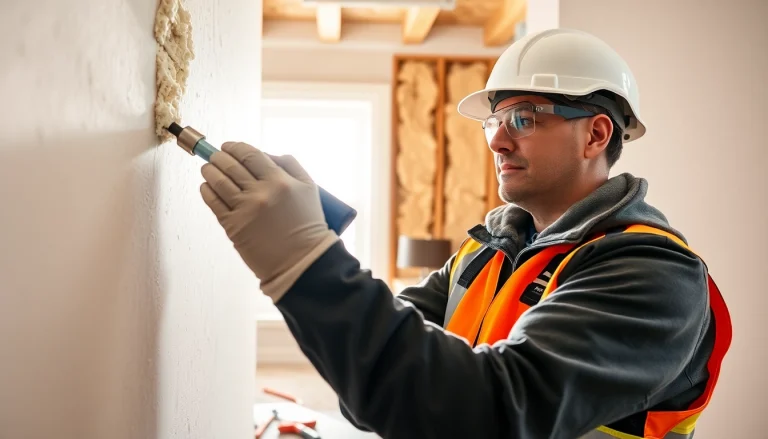
Removing spray foam insulation is not a simple job. It requires appropriate tools, techniques, and safety measures to do so effectively without damaging the underlying structures.
Tools Required for Safe Removal
The proper tools are essential for a safe and effective spray foam removal process. Here’s a list of commonly used tools:
- Utility Knife: Ideal for cutting the foam away from surfaces carefully.
- Insulation Removal Tool: Specifically designed for removing foam insulation quickly.
- Face Mask and Gloves: Protective gear to shield against inhaling harmful particles.
- Vacuum with HEPA Filter: For effective cleanup of debris post-removal.
- Scissors: Useful for smaller areas where precision is required.
Step-by-Step Removal Process
A systematic approach should be followed when removing spray foam. Here’s a step-by-step process:
- Preparation: Ensure the area is well-ventilated and clear of furniture and obstructions.
- Protective Measures: Wear appropriate safety gear including gloves, goggles, and a mask.
- Cutting the Foam: Using a utility knife, carefully cut away large sections of the foam, ensuring not to damage the underlying structure.
- Removing Residue: Use the insulation removal tool to eliminate any remaining adhesive or foam residue.
- Clean-Up: After removal, use a HEPA vacuum to clean the area thoroughly, ensuring no debris is left behind.
Safety Protocols to Follow
Prioritizing safety during spray foam removal is crucial. Follow these protocols to maintain a safe work environment:
- Ventilation: Ensure adequate airflow in the removal area to minimize inhaling harmful substances.
- Use of Personal Protective Equipment: Always wear protective clothing, gloves, and respiratory masks.
- Waste Disposal: Follow local regulations for disposing of hazardous waste to prevent environmental harm.
- Fire Safety: Keep firefighting equipment nearby, as spray foam can be flammable during the removal process.
Costs Involved in Spray Foam Removal for Mortgage
Understanding the financial aspect of spray foam removal is vital, particularly when preparing for a mortgage. Costs can vary significantly based on several factors.
Estimating Removal Costs
The total cost for spray foam removal generally ranges from £1,000 to £3,500, depending on the size of the area affected and the complexity of the removal process. Homeowners should seek estimates from multiple contractors to gauge the market rates and identify the best options available.
Factors Influencing Price
- Square Footage: The larger the area needing removal, the higher the potential cost.
- Accessibility: Difficult-to-reach areas will typically incur higher labor costs.
- Condition of the Foam: Older or more deteriorated foam may take longer and require more equipment to safely remove.
- Disposal Fees: Local regulations may mandate disposal of hazardous materials, affecting overall costs.
Budgeting for Home Repairs
Homeowners should include spray foam removal in their budget for home repairs. Factor in potential remediation costs, the condition of the property, and advice from professionals to create a comprehensive financial plan. Setting aside a contingency fund for unexpected expenses during removal can also be beneficial.
Communicating with Mortgage Lenders
Once the spray foam is removed, clear communication with mortgage lenders becomes critical. Understanding how to present and document the removal process can aid in smoother negotiations.
How to Present Removal Findings
Negotiating Terms with Lenders
Be prepared to negotiate with lenders by understanding their concerns regarding spray foam removal. Highlight the steps taken to rectify issues and provide compelling evidence to support the property’s value post-removal. This transparency can foster trust and may positively influence the mortgage decision.
Documenting the Removal Process
Thorough documentation throughout the removal process is crucial for maintaining a solid case when discussing financing options. Keep records of contractor communications, all safety measures taken, and any inspections conducted to ensure the property meets all required standards.
FAQs about Spray Foam Removal for Mortgage
What are the key reasons for spray foam removal?
Spray foam removal may be necessary due to health concerns, property damage, code compliance, poor installation, or the desire for a different insulation type, all critical for mortgage approval.
How long does the spray foam removal process take?
The duration of spray foam removal varies widely based on the size and complexity of the project, ranging from several hours to multiple days for complete removal.
Are there health risks associated with spray foam?
Yes, improperly cured or aged spray foam can emit hazardous chemicals. A professional assessment is crucial before any removal to address health concerns effectively.
Can I do the removal myself?
While DIY removal is possible, it is generally not advisable due to safety risks and the potential for incomplete removal that could necessitate further work.
Will removing spray foam affect my property’s value?
Properly removing spray foam helps maintain or potentially increase property value. Subpar insulation can negatively impact appraisal values, making effective removal essential.