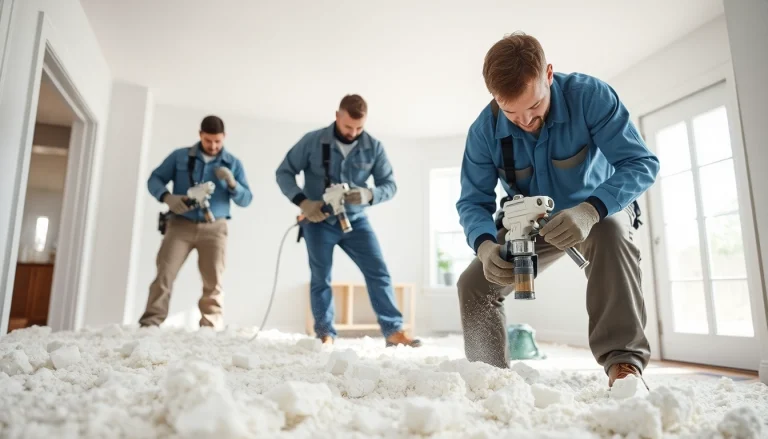









Understanding Spray Foam: Properties and Uses
What is Spray Foam?
Spray foam is a versatile and effective insulating material made from two primary components: isocyanate and polyol resin. When combined, these components expand rapidly, creating a dense foam that adheres to various surfaces, making it ideal for sealing gaps and cracks in buildings. It is primarily used to improve energy efficiency by minimizing air leakage, thus reducing heating and cooling costs. spray foam removal East Sussex is growing in demand as homeowners and builders weigh its benefits against potential drawbacks.
Applications of Spray Foam
Spray foam has a wide range of applications, from residential construction to commercial projects. It can be applied in walls, attics, roofs, and crawl spaces. Additionally, spray foam is used for soundproofing because of its density and ability to absorb sound waves. Its flexibility allows it to adapt to different shapes and contours, making it a favored choice in building insulation, air sealing, and even as a material for new product developments.
Benefits of Insulating with Spray Foam
One of the significant benefits of insulating with spray foam is its impressive R-value, offering superior thermal resistance compared to traditional insulation materials. This means better energy efficiency, ultimately leading to lower energy bills. Furthermore, spray foam provides excellent air sealing capabilities, reducing drafts and moisture infiltration. It is also resistant to mold and pests, providing long-term health benefits and structural integrity for buildings.
Why Remove Spray Foam?
Common Reasons for Removal
Despite its benefits, there are several reasons why a homeowner might consider spray foam removal. One common reason is improper installation, which can lead to significant energy inefficiencies. Additionally, older spray foam materials may degrade over time, resulting in reduced effectiveness and potential health concerns. In some cases, renovations or changes in insulation requirements necessitate the removal of existing spray foam.
Health Concerns Linked to Spray Foam
Health concerns regarding spray foam primarily arise from the chemicals used in its composition. If not adequately cured or if improperly applied, these chemicals may release volatile organic compounds (VOCs) into indoor environments. Symptoms from exposure can range from respiratory issues to allergic reactions. Therefore, removal may be necessary for individuals sensitive to these chemicals or if they notice unusual health symptoms.
Environmental Considerations
The environmental impact of spray foam cannot be overlooked. While it contributes to energy savings, the production and disposal of spray foam can lead to significant environmental challenges. Some older formulations are made with materials that can harm the ozone layer. Removal and replacement with more eco-friendly insulating materials is becoming more common among environmentally conscious homeowners.
Techniques for Effective Spray Foam Removal
Essential Tools and Equipment
The removal of spray foam requires specific tools and equipment to ensure efficiency and safety. Essential tools include a utility knife for cutting foam, a heat gun to soften materials, and scrapers to remove the foam after it’s been heated. Protective gear such as gloves, goggles, and respirators should also be used to avoid inhalation of dust or fumes.
Step-by-Step Removal Process
The spray foam removal process typically begins with assessing the area and planning the work. First, put on protective gear. Next, use a utility knife to cut through the foam down to the substrate, minimizing damage to the underlying surfaces. Once cut, apply heat with a heat gun to soften the foam for easier removal. Scrape the foam away carefully, ensuring that any residues are adequately cleaned. Finally, inspect the area beneath the foam for any damage or mold, addressing these issues accordingly.
Safety Precautions During Removal
Safety should always be the foremost concern when removing spray foam. Ensure proper ventilation in the area to dissipate any fumes. Always wear protective gear, including masks, gloves, and goggles, to safeguard against chemical exposure. Furthermore, prepare for potential allergic reactions by having first aid supplies on hand. If the area is extensive, consider hiring professionals trained in spray foam removal.
Post-Removal Considerations
Inspecting for Damage
After spray foam removal, a thorough inspection should be conducted to assess the structural condition beneath the removed foam. Look for issues such as signs of moisture damage, mold growth, or wood rot. Addressing these problems immediately can help prevent further damage. It’s recommended to consult with a professional if extensive damage is discovered to ensure proper repair.
Cleaning and Maintenance Tips
Once the foam is removed and any necessary repairs are made, it is crucial to keep the area clean. Use a HEPA vacuum to eliminate any debris or dust left from the removal process. Maintain a schedule of regular inspections to catch any moisture issues early and keep ventilation systems clear to reduce the risk of further insulation degradation.
Future Insulation Options
After removing spray foam, consider alternative insulation solutions that may be more suitable for your needs. Options such as cellulose, fiberglass, or mineral wool offer various benefits depending on the application and desired energy efficiency. Make informed decisions by researching each option’s R-value, installation costs, and long-term maintenance needs to choose the best fit for your home or building.
Frequently Asked Questions About Spray Foam Removal East Sussex
How long does spray foam removal take?
The duration of spray foam removal can vary based on the size of the area and the complexity of the installation, generally ranging from a few hours to a couple of days for larger projects.
Is spray foam removal safe for my home?
Yes, spray foam removal can be safe if done properly. Utilizing appropriate safety gear and techniques ensures minimal risk to the property and the people involved.
What costs should I expect for spray foam removal?
The cost of spray foam removal varies widely based on location, the size of the area, and the complexity of the job, typically ranging from a few hundred to several thousand dollars.
Can I remove spray foam myself?
While it is possible to remove spray foam yourself, it is advisable to hire professionals, especially for extensive areas or where there are potential health risks involved.
What to do after spray foam removal?
After removal, inspect for damage, clean the area thoroughly, possibly repair any issues, and consider your insulation options moving forward to enhance energy efficiency.