








Understanding Sports Broadcasting
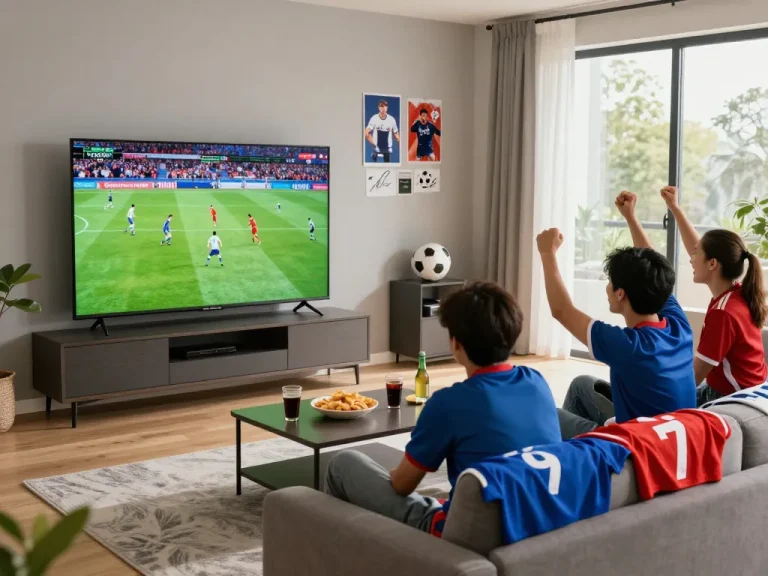
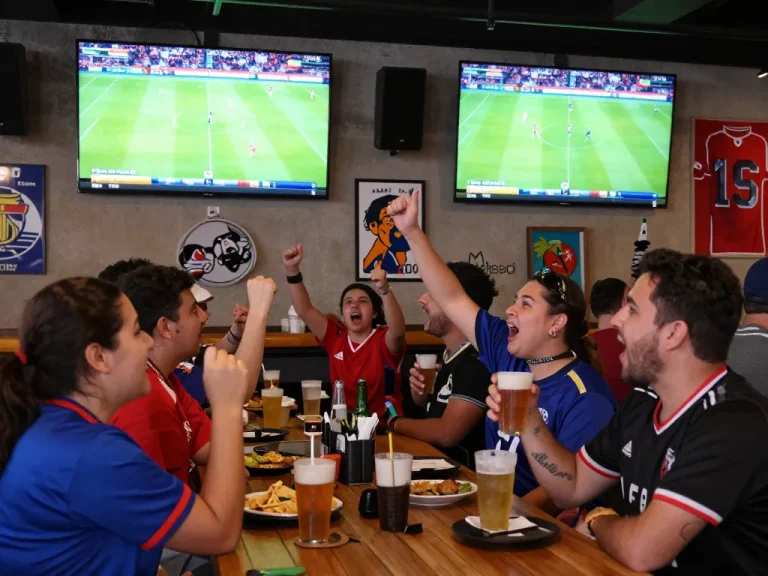
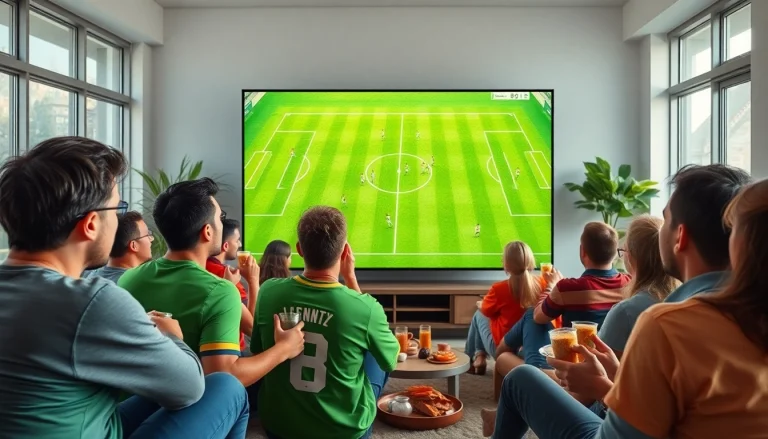
Sports broadcasting has evolved dramatically over the years, merging traditional media with digital innovations to create a multifaceted landscape that connects sports fans worldwide. This transformation has not only changed how sports are consumed but has also opened up new avenues for engagement and revenue in the sports industry. The crucial role of Sports Broadcasting cannot be understated, as it serves as the bridge between athletes and fans, bringing the excitement of live sports into homes and mobile devices.
The Evolution of Sports Broadcasting
The journey of sports broadcasting began in the early 20th century with radio broadcasts of baseball games. This advancement allowed fans to experience the thrill of live sports even if they couldn’t attend in person. As technology progressed, television became the primary medium, particularly in the mid-20th century, revolutionizing how fans consumed sporting events televised live. Today, with the rise of digital platforms and streaming services, sports broadcasting has expanded beyond traditional mediums. Streaming services now offer live coverage, highlights, and original content, demonstrating the need to adapt to changing viewer preferences and technology.
Key Benefits of Effective Sports Broadcasting
- Wider Reach: Effective broadcasting allows teams and leagues to reach a global audience, expanding brand presence beyond local fans.
- Enhanced Fan Engagement: Innovative strategies in broadcasting foster deeper connections with fans through interactive content and social media integration.
- Revenue Generation: Well-executed broadcasts can attract advertisers and sponsorships, creating significant revenue streams for teams and networks.
- Real-Time Communication: Broadcasting technology allows sports organizations to communicate real-time updates, enhancing the viewing experience.
Elements of a Successful Broadcast
Success in sports broadcasting is determined by several key elements including:
- Quality Production: Using high-definition cameras and professional editing ensures a polished final product.
- Expert Commentary: Engaging and knowledgeable commentators can add depth to the viewing experience.
- Interactive Graphics: Information overlays and stats enhance viewer understanding of the game.
- Viewer Engagement: Integrating social media during the broadcast can create a two-way interaction with the audience.
Types of Sports Broadcasting
Traditional vs. Digital Sports Broadcasting
Traditional sports broadcasting typically refers to conventional platforms like television and radio, which have long been the backbone of sports coverage. These mediums offer scheduled programming, adverts during downtime, and a familiar pattern to viewership. Conversely, digital sports broadcasting leverages the internet to provide on-demand content through platforms like streaming services, social media, and mobile apps. Digital platforms allow for flexibility in viewing, catering to on-the-go lifestyles. Ultimately, the choice between traditional and digital broadcasting is informed by target audience, content strategy, and available technology.
Local and National Sports Broadcasting Differences
Local sports broadcasting focuses on region-specific teams and events, providing coverage tailored to community interests. Such broadcasts often include pre-game shows, player interviews, and local commentary. On the other hand, national sports broadcasting covers broader events that may capture multiple regional audiences, such as the Super Bowl or the World Series. These broadcasts usually feature extensive coverage, expert analysts, and split-screen updates showing various games simultaneously.
Emerging Trends in Sports Broadcasting
As technology advances and viewer habits evolve, new trends shape the future of sports broadcasting:
- Augmented Reality (AR) and Virtual Reality (VR): These technologies are changing the way audiences interact with broadcasts, enhancing the viewing experience.
- Personalization: Customizable viewing options allow viewers to select angles, commentary, and stats that interest them the most.
- Mobile-First Strategies: With increasing mobile consumption, media companies are developing content tailored for viewing on smartphones.
- Data Analytics: Analytics is becoming critical in tailoring broadcasts to viewer preferences, optimizing both content and advertisements.
Best Practices in Sports Broadcasting
Crafting Compelling Narratives
Storytelling is a powerful element in sports broadcasting. Broadcasters should focus on building narratives around athletes, rivalries, or pivotal moments in a game to engage viewers emotionally. This focus on storytelling enhances the depth of coverage, making events more relatable and exciting for the audience.
Engaging with Your Audience
In today’s broadcasting world, engaging with viewers on multiple platforms is essential. Social media channels provide opportunities for real-time interaction during broadcasts. Using polls, fan questions, and live chats enriches viewer engagement, making them feel like a part of the event.
Utilizing Technology in Sports Broadcasting
Advancements in technology play a vital role in enhancing the sports broadcasting experience. Broadcasters should invest in high-quality cameras, immersive audio equipment, and graphic software to provide polish to their broadcasts. Additionally, utilizing streaming technology ensures that content can reach audiences in diverse formats and locations.
Challenges in Sports Broadcasting
Addressing Technical Issues
Even the best-laid plans can go awry, presenting technical challenges such as signal loss, equipment failure, or power outages. Broadcasters need contingency plans to handle these disruptions, ensuring smooth transitions and continuous viewer engagement. Regular equipment checks and skilled technical teams are essential to maintain broadcasting quality.
Maintaining Viewer Trust
Trust is critical in sports broadcasting. Providers need to ensure accurate reporting and fair coverage of events, recognizing the responsibility that comes with public influence. Transparency in communications about events, player policies, and broadcasting integrity fosters viewer allegiance.
Navigating Legal Regulations
Sports broadcasting is subject to numerous legal frameworks, including copyright laws, broadcasting rights, and advertising regulations. Broadcasters must stay updated on such regulations to avoid infringements that could result in costly legal battles. Working closely with legal experts is advisable for compliance.
Measuring Success in Sports Broadcasting
Key Performance Indicators to Track
Understanding success depends on analyzing relevant KPIs, significantly impacting future broadcasting strategies. Key metrics include viewership numbers, audience demographics, and engagement levels. Tracking these indicators over time can reveal patterns that inform programming decisions.
Analyzing Audience Engagement
Engagement metrics provide valuable insights into viewer behaviors, preferences, and satisfaction levels. This analysis can involve social media interactions, commentary frequencies, and feedback from audience surveys. Understanding what drives audience interaction helps refine broadcasting strategies.
Adjusting Strategies Based on Feedback
Implementing a cycle of feedback is vital to improving broadcast offerings. Audience feedback should inform content production, while performance analytics assist in refining strategies. By remaining adaptable and responsive to viewer needs, broadcasters can ensure continued relevance and engagement.
FAQs about Sports Broadcasting
What is Sports Broadcasting?
Sports Broadcasting refers to the distribution of sports events through various media, including television, radio, and digital platforms, aimed at engaging fans and viewers.
How has technology impacted Sports Broadcasting?
Technology has revolutionized Sports Broadcasting; it allows for immersive viewing experiences through high-definition visuals, interactive content, and real-time updates.
What are the challenges in Sports Broadcasting?
Challenges include technical issues, maintaining viewer trust, and navigating the complex legal landscape related to broadcasting rights and regulations.
How can I measure the success of Sports Broadcasting?
Success can be measured through KPIs like viewership figures, audience engagement metrics, and feedback analysis from viewers and stakeholders.
What trends are shaping the future of Sports Broadcasting?
Emerging trends include the use of AR/VR, personalized viewing experiences, mobile-first content strategies, and data analytics to tailor broadcasts.